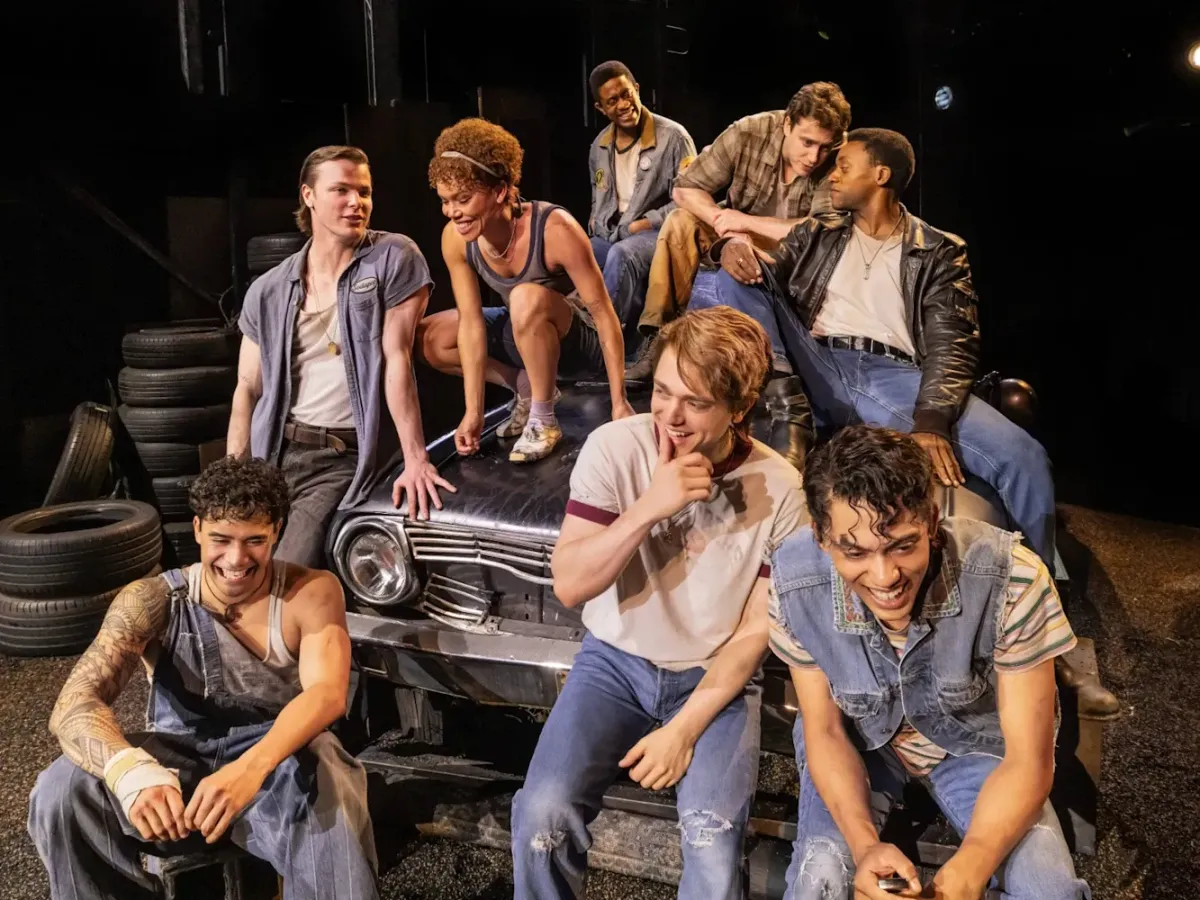
The Outsiders on Broadway Recoups Its Investment: What It Means for Investors
The Outsiders Recoups on Broadway
The producers of The Outsiders have announced that the production has officially recouped its investment on Broadway.
In commercial theatre terms, that’s a major milestone.
Recoupment means the show has returned 100% of its initial capitalization to its investors from box office profits and other production income. From this point forward, weekly profits are distributed according to the production’s operating agreement.
For Broadway investors, this is the moment where risk turns into return.
What “Recoupment” Actually Means
When a Broadway show raises capital, that money covers:
Development (workshops, labs, readings)
Physical production (sets, costumes, lighting, sound)
Theater rental and advance marketing
Weekly operating reserves
If a show runs long enough and performs strongly enough at the box office, those weekly profits pay back the original investors.
Once that happens, the show is said to have recouped.
Historically, only about 1 in 5 Broadway shows fully recoup their capitalization. That makes every recoupment announcement noteworthy—not just artistically, but financially.
Why The Outsiders’ Recoupment Matters
Several factors make this announcement especially interesting:
1. It’s a Literary Property With Built-In Brand Recognition
The musical adaptation of S.E. Hinton’s novel already had generational awareness thanks to the book and the 1983 film. Familiar IP can reduce marketing friction (when done well.)
2. It Attracted Younger Audiences
Broadway’s long-term sustainability depends on bringing in new theatergoers. Shows that resonate with high school and college audiences expand the customer base, increasing both ticket demand and licensing potential.
3. Awards Momentum Helped
Like many recent recoupments, awards attention can significantly impact weekly grosses. Recognition drives urgency and premium pricing power.
Beyond Broadway: The Long-Tail Revenue
Recoupment on Broadway is just the first chapter.
A show like The Outsiders has multiple downstream revenue streams:
National tours
International productions
Licensing to regional theaters and schools
Cast album revenue
Subsidiary rights
Broadway investors participate in many of these income streams depending on the structure of the deal.
Risk, Reward, and Portfolio Thinking
Broadway remains a high-risk asset class. The majority of productions do not return their full investment.
But the upside profile is asymmetric.
When a show breaks out, like The Outsiders, it can:
Return full principal
Generate ongoing profit distributions
Build long-term licensing value
This is why experienced investors approach Broadway as a portfolio strategy, not a one-show gamble.
One recoupment can offset several losses. A breakout hit can deliver outsized returns.
What Investors Should Watch Next
With recoupment achieved, the next signals to monitor include:
Weekly gross stability
Announcements of touring engagements
International licensing deals
Extended runs
Ancillary partnerships
Recoupment is the first major financial milestone. Sustained profitability is the next.
Final Takeaway
The announcement that The Outsiders has recouped reinforces an important truth about the business of Broadway:
While the odds are challenging, the model works.
When strong creative execution, smart capitalization, awards momentum, and audience demand align, investors can be fully repaid, and then participate in profits.
Broadway will always be risky.
But recoupment announcements like this prove it is also a viable, functioning investment marketplace.
>>> If you’re studying the business side of theatre, announcements like this are worth paying attention to—not just for what they celebrate, but for what they signal about the mechanics of the industry.
